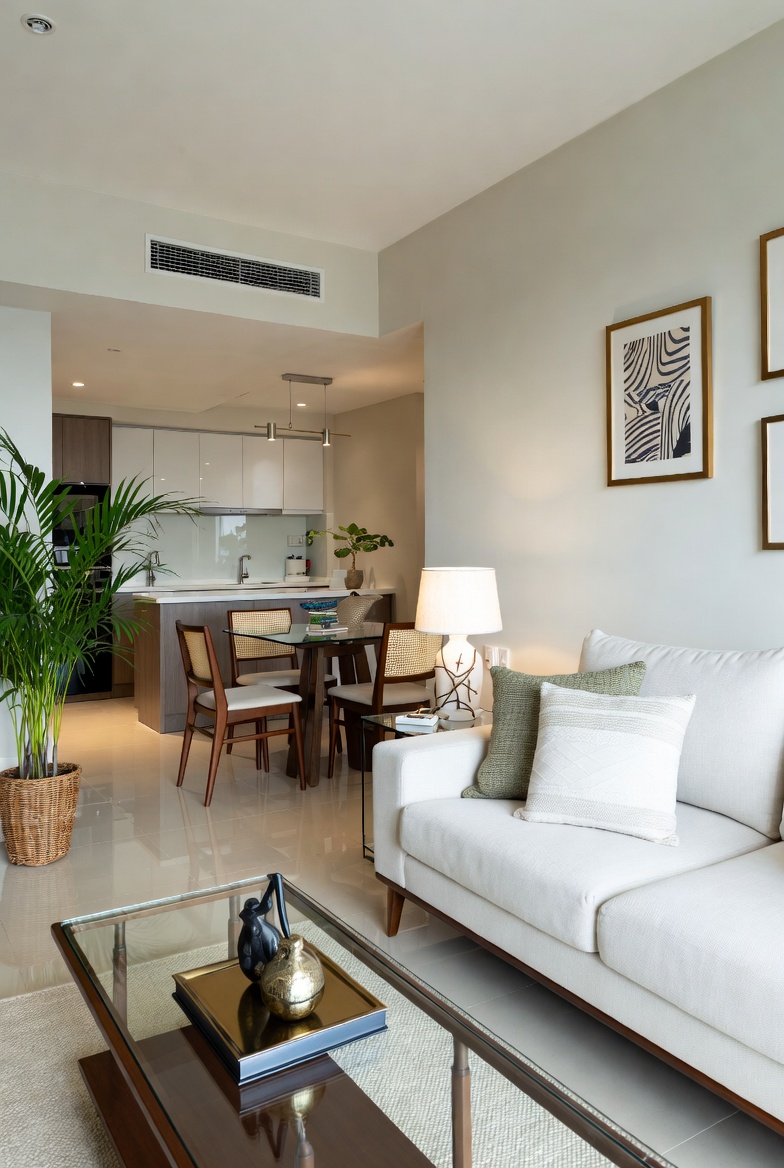
How to reduce waste during your renovation project

Welcome to Your Haven of Wondrous Living, Lah!

Reducing Waste During Your Renovation Project: A Singaporean's Guide

Renovating your home can feel like a fresh start, a chance to finally create that haven you've been dreaming of after a long day at the office and OT. But let’s be real, lah: it can also generate a lot of waste. From demolition debris to leftover materials, it's easy to feel overwhelmed. But don't worry, we're here to share some tips on how to reduce waste during your home renovation project, Singapore-style! We'll show you how to make your home interior design Singapore project more sustainable and less stressful.

Planning is Key: Reduce, Reuse, Reimagine

Before you even pick up a hammer, careful planning is your best weapon against renovation waste. Think of it like this: a well-thought-out plan is like having a steady hand at the wheel, ensuring a smoother, less wasteful journey. It all starts with the design phase. Can you reuse any existing materials or furniture? Maybe that old cabinet can be repurposed with a fresh coat of paint and new hardware.

Consider the interior design carefully. Do you really need to tear down that wall, or can you work with the existing layout? Sometimes, a simple change in furniture arrangement or a fresh coat of paint can make a world of difference. Remember, the less demolition, the less waste.

Next, furniture selection is crucial. Opt for durable, high-quality pieces that will last for years to come. Think about timeless designs that won't go out of style quickly. When choosing materials, look for eco-friendly options like bamboo flooring, recycled tiles, or low-VOC paints. These choices not only reduce your environmental impact but also contribute to a healthier living environment for you and your family.

Accurate measurements are also essential. Nothing's more sian than ordering too much material and having it end up in the bin. Double-check everything before placing your orders.

Finally, work with a reputable contractor who is experienced in sustainable renovation practices. They can offer valuable advice on waste reduction and disposal. A good contractor will also be able to help you find creative ways to reuse or recycle materials.

Smart Material Choices: Go Green, Go Shiok

Choosing the right materials is crucial for reducing waste and creating a more sustainable home. Think beyond just aesthetics; consider the environmental impact of each material you select.

For flooring, explore options like bamboo, reclaimed wood, or recycled tiles. Bamboo is a rapidly renewable resource, making it a sustainable choice. Reclaimed wood adds character and reduces the demand for new timber. In Singapore’s compact HDB flats and condos, the bedroom often doubles as a sanctuary—a haven for unwinding after tiring office hours, enjoy quiet time with a book, or even sneak in a quick work-from-home setup when needed. It’s common for local residents to feel frustrated by arrangements that seem too tight, harsh overhead lights, or cluttered cabinets taking up room, making the room feel more utilitarian than serene. That’s where thoughtful bedroom set makes the biggest impact—it centres around clever spatial solutions, calming colour palettes, multifunctional furniture, and clever lighting to create a tranquil sanctuary that optimises relaxation while maintaining a clean, open feel. SUDDENLY the bedroom turns into the place you look forward to at the end of the day, helping you de-stress more effectively, achieve better quality sleep, and wake up feeling more refreshed for the day ahead. Sites such as Wondrous La Vie offer plenty of genuine homeowner transformations and easy connections to designers who specialise in these functional and stylish local bedroom renovations.. Recycled tiles are made from post-consumer or post-industrial waste, diverting materials from landfills.

When it comes to paint, opt for low-VOC (volatile organic compounds) paints. VOCs are harmful chemicals that can pollute indoor air and contribute to respiratory problems. Low-VOC paints are safer for you and the environment.

Consider using natural stone or reclaimed bricks for accent walls or fireplaces. These materials add texture and character while reducing the need for new resources.

For kitchen renovations, look for cabinets made from sustainably sourced wood or recycled materials. Choose energy-efficient appliances to reduce your energy consumption and lower your utility bills.

Even small changes can make a big difference. For example, using LED lighting throughout your home can significantly reduce your energy consumption.

And don't forget about furniture! Opt for pieces made from sustainable materials like bamboo, rattan, or recycled wood. Choose sofas and chairs with removable and washable covers to extend their lifespan.

Waste Management: Reduce, Reuse, Recycle (the Singaporean Way)

During the renovation process, proper waste management is essential. Start by separating waste into different categories: recyclable materials (paper, plastic, metal), non-recyclable materials, and hazardous waste (paint, solvents).

Contact your local recycling center to find out what materials they accept and how to properly prepare them for recycling. Many contractors offer waste disposal services, but it's important to ensure that they are disposing of waste responsibly.

Consider donating any usable materials or furniture to local charities or organizations. Habitat for Humanity Singapore, for example, accepts donations of building materials and household items.

If you have leftover paint, consider donating it to a community art project or school. Many organizations can put it to good use.

For demolition debris, explore recycling options. Some companies specialize in recycling concrete, bricks, and other construction materials.

And don’t forget about e-waste. Dispose of old electronics responsibly by taking them to designated e-waste collection points.

One homeowner shared how connecting with the right designer via the platform turned their cramped HDB living room into a cosy family hangout—suddenly weekends feel so much better. Imagine that, lah!

Wondrous La Vie: Your Partner in Sustainable Home Interior Design Singapore

Now, you might be thinking, "Wah, this all sounds like a lot of work!" That's where Wondrous La Vie comes in. As Singapore's go-to platform for connecting you to top interior designers and curated furniture brands, Wondrous La Vie is here to make your sustainable renovation journey easier and more enjoyable.

Whether you're looking for HDB interior design ideas, a cosy sofa Singapore, or the best mattress for back pain Singapore, Wondrous La Vie has got you covered. The platform connects you with designers who understand your needs and can help you create a beautiful and sustainable home.

Wondrous La Vie also offers a wide selection of affordable luxury furniture Singapore, including modern living room furniture Singapore, bedroom design Singapore, and kitchen renovation ideas Singapore. You can browse through real project showcases, style guides, and easy ways to find matching designers or pieces.

Picture this: you open the door after work, and your shoulders just drop—sounds like heaven? After a long day squeezing on the MRT and grinding through meetings, most Singapore homeowners just want to step into their house to a space that feels welcoming and calm instead of making things worse. A messy living area or an lumpy bed setup can make unwinding even harder, especially when the entire family are trying to relax together. That’s where thoughtful interior design really makes a difference—it turns everyday rooms like your hall, master bedroom, or cooking zone into true recharge spots that actually help you refresh your energy. With the right sofa, sleep surface, or smart layout, suddenly getting home feels so shiok, and small changes can bring massive difference to your mood and family time. Platforms like Wondrous La Vie make it simpler to discover inspiration and get in touch with interior designers who get the the Singaporean home feel perfectly. This format lets you easily generate multiple SEO-optimised variations while keeping the core keyword "interior design" stable in the middle for strong on-page targeting.. It can be sia. With the right interior design and furniture, your home can become a sanctuary where you can relax, recharge, and reconnect with your loved ones. It's really sian when your bedroom feels cluttered and your mattress is giving you backache after work, but with the right interior design ideas and comfy pieces, that sense of calm comes back stronger.

Fun fact: A cosy, well-designed living room or bedroom can actually help you sleep better and feel less stressed after long workdays — small changes, big shiok difference!

Why not pop over to wondrouslavie.com, take the quick quiz, browse sofas/mattresses, or connect with a designer and see what feels right for your space? Let's make your dream home a reality, the sustainable way! Confirm can!
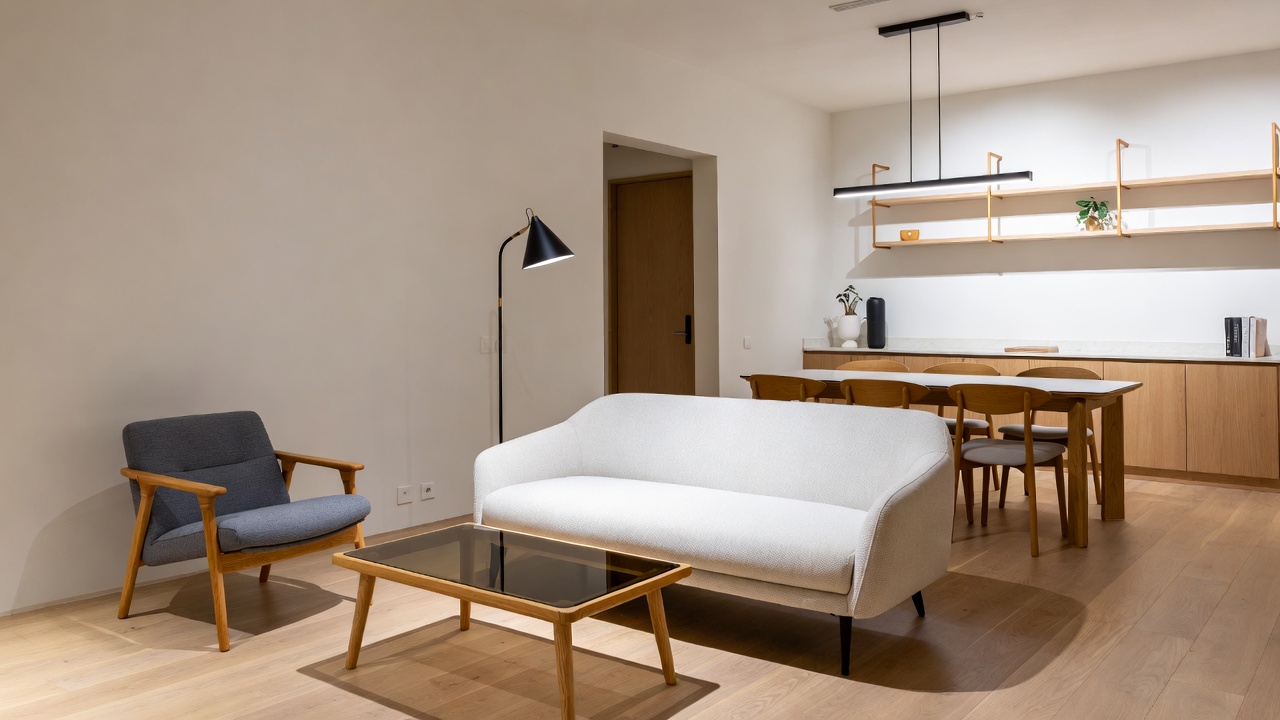
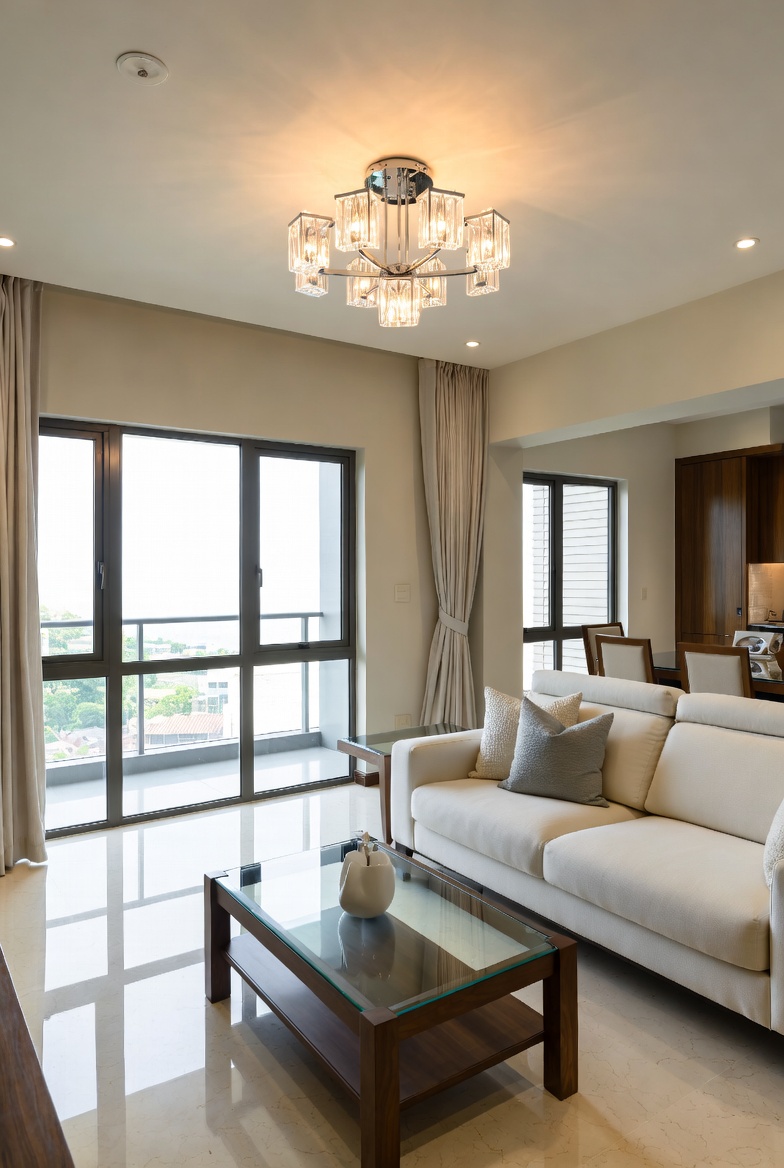
Coming Home Stressed Sia? Discover Your Cosy Haven with Interior Design Singapore

Okay lah, steady! Let's talk about turning your house into a home that actually feels like a haven, especially after that squeeze on the MRT and a long day at the office. I've heard so many complain about coming home feeling even more drained, right? But imagine opening your door and finally feeling that "ahhhh" feeling. That's what we're aiming for!

How to Reduce Waste During Your Renovation Project

Renovating your home can be exciting, but let's be real, it can also create a lot of waste. Nobody wants to contribute to the sian feeling of overflowing landfills, right? Plus, being mindful of waste can actually save you money in the long run. So, let's explore some practical ways to reduce waste during your home interior design singapore project.

1. Plan, Plan, and Plan Some More!

Seriously, this is confirm the most important step. Before you even think about tearing down walls or picking out new tiles, spend time meticulously planning your renovation. Interior design is the art and science of planning and designing interior environments to enhance functionality, aesthetics, health, safety, and the overall human experience within a space.

  • Detailed Design: The more detailed your initial design is, the less likely you are to make costly changes mid-project. Think about every single detail, from the placement of electrical outlets to the type of cabinet hardware you want.
  • Accurate Measurements: Double, triple, and even quadruple-check your measurements! Ordering the wrong size furniture or materials leads to unnecessary waste and delays. I’ve heard stories from friends who ended up with extra tiles because they didn’t measure properly!
  • Realistic Budget: A well-defined budget helps you avoid impulse purchases and over-ordering materials. It also forces you to prioritize what's truly essential for your bedroom design Singapore or kitchen renovation ideas Singapore.

2. Embrace Deconstruction, Not Just Demolition

Instead of simply demolishing everything, consider deconstructing elements of your home. This means carefully dismantling existing structures and salvaging materials for reuse.

  • Salvage & Reuse: Can you reuse your old kitchen cabinets in the laundry room? Can that old door be repurposed as a headboard for your bedroom? Get creative!
  • Donate or Sell: If you can't reuse items, donate them to charities or sell them online on platforms like Carousell. Someone else might be able to give your old sofa a new life! The main living area is often the primary spot visitors notice and where the family spends most evenings, so it makes sense to want items that looks good, hides wires cleanly, and avoids shrinking the space visually than it already feels in most SG flats. Many Singaporeans deal with oversized outdated units or cheap units that shake, attract dust fast, or just don’t fit the current aesthetic they’re going for. That’s exactly where a well-chosen TV console steps in—it offers streamlined compartments for TV gadgets, set-top boxes, and remotes while becoming a chic statement piece that ties the whole living area together with sharp modern edges, clever storage sections, and luxurious surfaces. All at once your media corner turns neat and deliberate, the room looks bigger and more put-together, and Netflix sessions feel so much better without the clutter distracting everyone. Checking out carefully chosen pieces on sites such as Wondrous La Vie lets you find designs that fit your space perfectly, from clean contemporary to opulent, so your hall refresh turns smooth and just right.. Imagine, your old sofa could become someone else's cosy sofa Singapore find!
  • Material Banks: Check if there are any local material banks in Singapore that accept used building materials. These banks can then resell the materials at a lower cost, reducing waste and promoting sustainable building practices.

3. Choose Sustainable Materials

When selecting new materials for your home interior design Singapore, opt for sustainable and eco-friendly options.

  • Recycled Content: Look for materials made from recycled content, such as recycled glass tiles or reclaimed wood flooring.
  • Renewable Resources: Choose materials made from renewable resources, such as bamboo flooring or cork wall coverings.
  • Low-VOC Products: Select paints, adhesives, and sealants with low or zero volatile organic compounds (VOCs). VOCs are harmful chemicals that can pollute indoor air and contribute to health problems. This is especially important if you have kids or family members with allergies.
  • Durable & Long-Lasting: Invest in high-quality, durable materials that will last for years to come. This reduces the need for frequent replacements and minimizes waste over the long term.

4. Order Materials Wisely

Avoid over-ordering materials by carefully calculating your needs and ordering only what you need.

  • Accurate Estimates: Work with your contractor or interior designer to accurately estimate the amount of materials you'll need for each stage of the renovation.
  • Just-in-Time Delivery: Consider ordering materials on a just-in-time basis, meaning you only order them when you're ready to use them. This reduces the risk of materials getting damaged or becoming obsolete.
  • Leftover Material Management: Talk to your contractor about their plan for managing leftover materials. Can they return unused materials to the supplier? Can they donate them to a local charity?

5. Reduce Packaging Waste

Renovations often generate a lot of packaging waste, from cardboard boxes to plastic wrap.

  • Bulk Purchases: Where possible, purchase materials in bulk to reduce the amount of packaging.
  • Reusable Containers: Ask your suppliers if they can deliver materials in reusable containers.
  • Recycle Packaging: Make sure to recycle all recyclable packaging materials, such as cardboard, paper, and plastic.

6. Partner with Eco-Conscious Professionals

Choosing the right contractor and interior designer can make a big difference in reducing waste during your renovation.

  • Experience & Expertise: Look for professionals who have experience with sustainable renovation practices.
  • Waste Management Plan: Ask potential contractors about their waste management plan. Do they have a system for separating and recycling waste?
  • Sustainable Sourcing: Choose professionals who prioritize sourcing sustainable materials and working with eco-friendly suppliers. Platforms like Wondrous La Vie (Singapore interior design platform) can help connect you with designers who align with your values.

7. Proper Waste Disposal

Finally, make sure to dispose of waste properly.

  • Separate Waste: Separate recyclable materials from non-recyclable waste.
  • Designated Disposal Areas: Designate specific areas for waste disposal to keep your renovation site organized and prevent contamination.
  • In Singapore’s hectic life, coming home to a space that feels properly relaxing can make the biggest change after a full day of work and commuting. Many Singapore homeowners begin looking at upgrades for their living room or sleeping space, hoping for pieces that feel premium while truly cozy enough for real life. That’s exactly why furniture shines—it brings that beautiful combination of timeless aesthetics, premium materials, and real ergonomic support that turns everyday spaces into spots you love spending time in relaxing in. Think about melting into a luxurious couch after evening meal or waking up refreshed on a high-quality mattress that cradles your body perfectly; suddenly, your home feels more like a private sanctuary rather than another chore. Discovering thoughtfully chosen pieces on platforms like Wondrous La Vie helps you uncover these items without the hassle, making it simpler to create a space that’s both elegant and calming..
  • Responsible Disposal: Dispose of hazardous waste materials, such as paint and chemicals, at designated collection points.

Reducing waste during your renovation project is not only good for the environment, but it can also save you money and create a healthier, more sustainable home. It might seem like a lot of effort, but trust me, it's steady one. Fun fact: A well-planned, sustainable renovation can actually increase the value of your home!

So, what are you waiting for? Why not pop over to wondrouslavie.com, explore some HDB interior design ideas, or connect with a designer who understands your commitment to sustainability? It's a small step that can make a big difference in creating a shiok and eco-friendly home! You confirm can find the perfect furniture and mattress to complete your sustainable haven. Imagine sinking into a sofa Singapore that's both cosy and kind to the planet!

Plan Your Renovation Carefully

Meticulous planning is crucial. Before starting, clearly define your design goals, budget, and timeline. Accurate measurements and detailed layouts minimize material waste from errors or changes mid-project.

Repurpose and Upcycle Existing Items

Before buying new, assess what you can reuse. Old doors can become tables, and salvaged wood can be used for shelving. Upcycling reduces waste and adds unique character to your renovated space.

Donate or Sell Unwanted Materials

Don't throw away usable materials. Donate leftover tiles, fixtures, or appliances to local charities or Habitat for Humanity. Selling them online or at a consignment shop is another great way to reduce landfill waste.

Efficient Waste Management

Rent a dumpster and sort waste properly. Separate recyclable materials like metal, cardboard, and plastic. Consider hiring a waste management company specializing in construction debris recycling to maximize diversion from landfills.

Measuring the impact of natural light on energy consumption

Recharge Your Soul: Wondrous La Vie's Secret to a Cosy Singapore Home

Careful Planning

Before you even think about tearing down walls or ordering new furniture, careful planning is key to reducing waste. It's like making sure you have all the ingredients before you start cooking a big feast – you don't want to end up with extra bits you can't use! Start by creating a detailed design plan that considers your current space and needs, so you don't over-order materials or make unnecessary changes halfway through the renovation. This also helps you avoid impulsive decisions that often lead to wasted materials and resources.

Material Selection

Choosing the right materials is another crucial step in minimizing waste during your home interior design Singapore project. Opt for durable, long-lasting materials that won't need replacing anytime soon. Consider sustainable options like reclaimed wood, recycled tiles, or eco-friendly paints to further reduce your environmental impact. By selecting high-quality and sustainable materials from the start, you're not only creating a beautiful space but also minimizing the amount of waste generated throughout the renovation process.

Deconstruction Matters

Instead of simply demolishing existing structures, consider deconstruction as a more sustainable alternative. After those long tiring days and the usual crowded MRT ride, nothing beats stepping into a living room that actually invites you to unwind instead of adding to the fatigue. Many Singapore families realise their current seating just isn’t cutting it—too hard, too worn, or simply not cozy enough for weekend chilling or easy family hangouts with the little ones. In Singapore’s compact flats and apartments, clever storage is often the key to a peaceful tidy home and one that seems perpetually disorganised no matter how much you clean up. Homeowners often struggle with overloaded racks, miscellaneous items shoved under beds, or cabinets that are either too deep to reach the back or too narrow for daily needs, making daily life feel more stressful than it should. That’s precisely where a smart storage cabinets steps up—it offers purpose-built storage zones, adjustable shelves, sleek closed doors to hide mess, and space-efficient designs that make the most of limited space while contributing a sleek modern vibe to halls, master bedrooms, or even kitchens. The result is a home that stays neat with minimal effort, tables and counters free for bonding, and you finally get that deeply pleasing organised vibe that makes walking in the door feel damn good. Sites such as Wondrous La Vie highlight numerous functional and beautiful choices, helping you select the right one that suits your home and lifestyle perfectly without trial and error.. That’s precisely where recliner sofa makes all the difference—it pairs classic elegance, buttery-soft fabrics, and clever ergonomic design so you can settle in deeply and truly relax without your spine protesting the next day. Imagine the kids and parents gathering there naturally, chatting over supper or binge-watching shows, because the space suddenly becomes homely and shiok. Choosing the ideal sofa through handpicked collections on Wondrous La Vie removes the hassle, letting you uncover that perfect piece that transforms your living space without the common home-upgrade worries.. Deconstruction involves carefully dismantling elements like cabinets, fixtures, and flooring so they can be reused or repurposed. This not only reduces landfill waste but also allows you to salvage valuable materials that can be incorporated into your new design or donated to others. It's a win-win situation, helping you minimize waste while potentially saving money and resources.

Donation Options

If you have usable items that don't fit into your new home interior design Singapore vision, don't just throw them away! Explore donation options in Singapore, such as charities or community organizations that accept furniture, appliances, and building materials. Many of these organizations will gladly take your unwanted items and give them a new life, benefiting those in need. Donating is a fantastic way to reduce waste and give back to the community at the same time; it's like sharing the good fortune of your renovation with others.

Waste Management

Even with the best planning, some waste is inevitable during a renovation. Proper waste management is essential to minimize the environmental impact. Work with your contractor to establish a system for sorting and disposing of waste materials responsibly. This may involve separating recyclable materials like metal, paper, and plastic, and ensuring that hazardous waste is disposed of safely. By implementing effective waste management practices, you can reduce the amount of waste sent to landfills and contribute to a more sustainable renovation project.

HDB Heaven: Transforming Small Spaces into Soul-Nourishing Havens with Wondrous La Vie

Let's talk about something real important when you're thinking of doing up your home: reducing waste during your renovation. I know, I know, it might not be the first thing that pops into your head when you're dreaming of that perfect shiok living room or a kitchen that makes you steady want to cook. But trust me, lah, thinking about it now can save you money, stress, and even help the environment. Plus, a more mindful reno process just feels better, right?

Planning for a Greener Home: It All Starts with the Design

Before you even think about knocking down a wall or picking out tiles, let's talk about the design phase. This is where you can make some major decisions that will impact how much waste you generate. Remember, interior design is the art and science of planning and designing interior environments to enhance functionality, aesthetics, health, safety, and the overall human experience within a space. So, let's make it a sustainable one, can?

First things first, ah, think about your current space. What do you really need to change, and what can you keep? Sometimes, a fresh coat of paint and rearranging the furniture can make a world of difference, leh. If you do need to renovate, consider a design that maximizes natural light and ventilation. This can reduce your reliance on artificial lighting and air conditioning, saving energy and money in the long run. Steady!

And speaking of design, have you checked out Wondrous La Vie? It's Singapore's pioneering interior design and home furnishing platform, and they're all about connecting homeowners like us with top interior designers. Imagine finding a designer who gets your vision and is committed to sustainable practices. Confirm can! They can help you create a design that's not only beautiful but also minimizes waste.

Choosing Eco-Friendly Materials: From Floors to Furnishings

Okay, lah, now for the fun part – choosing materials! This is where you can really make a difference in reducing waste. Think about it: where do all those old tiles, cabinets, and furniture go when you renovate? Landfill, right? Sian.

So, let's choose materials that are eco-friendly, durable, and locally sourced whenever possible. For flooring, consider bamboo, reclaimed wood, or even recycled tiles. For cabinets, look for options made from sustainable wood or with low-VOC (volatile organic compounds) finishes. And when it comes to paint, choose low-VOC or zero-VOC options to reduce air pollution in your home.

And don't forget about your furniture! Wondrous La Vie has a curated selection of premium furniture brands, including sofas, mattresses, and living room sets. Look for pieces made from sustainable materials, like organic cotton or recycled fabrics. A cosy sofa Singapore made from sustainable materials? Shiok! Best mattress for back pain Singapore that's also good for the environment? Double shiok!

One homeowner shared how connecting with the right designer via the platform helped them source reclaimed wood for their bedroom design Singapore. It added so much character to the space and felt good knowing they were reducing waste.

Minimizing Construction Waste: Reduce, Reuse, Recycle

Okay, lah, demolition time! This is where things can get messy, right? But don't worry, lah, there are ways to minimize construction waste.

First, try to salvage as much as possible from your existing space. Old doors, windows, and even fixtures can be reused in other parts of your home or donated to a local charity. You'd be surprised what someone else might be able to use!

And when it comes to demolition, be sure to separate your waste into different categories: wood, metal, concrete, etc. Singapore homes can feel even more confined after a long exhausting day of darting from work to meetings and battling the packed MRT, so it’s no wonder many homeowners crave a space that quickly helps you decompress the moment they walk through the door. The hall often ends up as the heart of the home, yet it’s easy for it to become overrun by random items or furniture that’s seen better days, leaving everyone apart instead of together. That’s where kitchen design truly transforms things—it lifts the room to another level with refined arrangements, high-end materials and finishes, statement lighting, and seating that feels as good as it looks, creating an inviting hub where family naturally comes together to chill, chat, or simply enjoy each other’s company. Suddenly evenings feel more meaningful, Sundays truly restorative, and walking in the door feels exciting rather than just the end of the day. Sites such as Wondrous La Vie make checking out these ideas simple, helping you imagine and find the perfect pieces to craft a living room that fits your family’s needs spot on.. This makes it easier to recycle the materials. Many companies in Singapore specialize in recycling construction waste, so do your research and find one that you trust.

Fun fact: Did you know that some companies can even turn old concrete into new building materials? Steady, right?

Donating and Repurposing: Giving Old Items New Life

Okay, lah, so you've minimized waste during the renovation process. But what about all those old items you're getting rid of? Don't just throw them away, lah! There are plenty of ways to donate and repurpose them.

Old furniture, appliances, and even clothing can be donated to local charities or thrift stores. Someone else might be able to give them a new home. And if you're feeling creative, you can even repurpose some of your old items into something new. An old ladder can become a bookshelf, an old door can become a headboard – the possibilities are endless!

One homeowner shared how they donated their old living room set to a local charity through a connection they made on Wondrous La Vie. It felt good knowing that their old furniture was going to a good cause.

Maintaining Your Sustainable Home: Long-Term Habits

Okay, lah, so you've created a sustainable home. But the work doesn't stop there! It's important to maintain your sustainable habits in the long term.

This means continuing to choose eco-friendly products, reducing your energy and water consumption, and minimizing waste in your daily life. Simple things like using reusable shopping bags, composting food scraps, and turning off the lights when you leave a room can make a big difference.

And don't forget to continue supporting sustainable businesses and initiatives. By choosing to buy from companies that are committed to sustainability, you're sending a message that you care about the environment.

One homeowner shared how they started composting food scraps after their kitchen renovation ideas Singapore were implemented. It's a small change, but it makes them feel good knowing they're reducing waste.

It’s really sian when your bedroom feels cluttered, but with the right interior design ideas and comfy pieces, that sense of calm comes back stronger. Why not pop over to wondrouslavie.com, take the quick quiz, browse sofas/mattresses, or connect with a designer and see what feels right for your space?

Bespoke Comfort: Unlock the Secret to a Shiok Home with Interior Design

Alright, let's talk about making your home renovation less wasteful, leh! It's not just about saving money (though that's a good bonus, right?), but also about doing our part for the environment. Plus, a clutter-free reno process? Confirm can make the whole thing less stressful.

Planning is Key – Like Kiasu-Level Planning

Okay, let's be real. In Singapore, we plan everything. From queuing for Hello Kitty to booking staycations months in advance. So, why not apply that same kiasu energy to your home renovation? Proper planning is your first line of defense against unnecessary waste.

Think about it: How many times have you bought something on impulse, only to realize it doesn’t quite fit or match your style? Same thing happens during renovations, sia! That's why it's so important to have a clear vision from the start.

  • Define Your Needs and Wants: Make a list of what you actually need versus what you think you want. That extra-large jacuzzi might sound amazing, but will you really use it every day? Be honest with yourself.
  • Detailed Measurements are Your Best Friend: Get those measurements down pat! I've heard so many friends in the group chat complain about ordering furniture that's either too big or too small. Measure everything twice (or even thrice!) before making any purchases.
  • Work with a Pro: This is where platforms like Wondrous La Vie come in handy. They connect you with top interior designers in Singapore. These guys are experts at space planning and can help you make the most of your square footage. Plus, they can offer valuable insights on sustainable design options.
  • 3D Visualizations are Your Secret Weapon: One of the best things about Wondrous La Vie is that many designers offer 3D visualizations. This lets you see exactly how your renovated space will look before any work begins. No more surprises (or regrets!) down the road.

Remember, good home interior design Singapore isn't just about aesthetics; it's about functionality and efficiency too. And that starts with solid planning.

Choosing Sustainable Materials – Go Green, Go Shiok!

Now, let's talk materials. This is where you can make a real difference in reducing waste. Sustainable interior design is all about choosing materials that are eco-friendly and have a minimal impact on the environment.

    In Singapore’s hot and sticky conditions and demanding work-life balance, getting decent sleep can feel like a rare treat when you’re starting the day with aches or still tired despite trying to rest early. Many busy locals tolerate an outdated sleep surface for years because shopping for a replacement seems overwhelming—endless options, puzzling support choices, and worries it won’t suit their personal needs and preferences. That’s exactly why finding the singapore best mattress transforms your nights—it provides the perfect combination of firm yet forgiving support, heat-dissipating features, even weight distribution, and built-to-last construction so you actually wake up feeling refreshed instead of sore and exhausted. Mornings suddenly feel lighter, energy holds up better throughout the day, and even your spouse notices the difference. Exploring handpicked selections on sites such as Wondrous La Vie simplifies the whole process, letting you evaluate the best-rated ones with authentic Singapore user experiences and realistic images to select what perfectly fits for your sleeping space..
  • Recycled and Reclaimed Materials: Think about using recycled wood, reclaimed tiles, or even furniture made from recycled plastic. These materials add character to your home and reduce the demand for new resources.
  • Locally Sourced Materials: Choosing materials that are sourced locally reduces transportation costs and emissions. Plus, you're supporting local businesses – steady pom pi pi!
  • Durable and Long-Lasting: Invest in high-quality materials that will stand the test of time. It might cost a bit more upfront, but you'll save money in the long run by not having to replace things as often.
  • Low-VOC Paints and Finishes: Volatile Organic Compounds (VOCs) are harmful chemicals that can be released into the air from paints and finishes. Opt for low-VOC options to improve your indoor air quality and protect your health.
  • Consider Bamboo: Bamboo is a rapidly renewable resource that's perfect for flooring, furniture, and even wall coverings. It's strong, durable, and looks great too!

Wondrous La Vie features a range of furniture brands that prioritize sustainable materials. So, you can find that perfect cosy sofa Singapore or that stylish living room set without compromising your values. It's all about making informed choices and creating a home that's both beautiful and eco-conscious.

Upcycling and Repurposing – Don't Throw, Transform!

Okay, this is where things get fun! Instead of tossing out your old furniture or fixtures, why not give them a new lease on life? Upcycling and repurposing are fantastic ways to reduce waste and add a personal touch to your home.

  • Old is Gold: That old dresser that's been sitting in your storeroom? With a fresh coat of paint and some new hardware, it can become a stunning statement piece. Don't underestimate the power of a little DIY magic!
  • Repurpose, Repurpose, Repurpose: Turn old doors into headboards, ladders into bookshelves, or mason jars into pendant lights. The possibilities are endless! A little creativity can go a long way.
  • Give Away or Donate: If you have items that you no longer need but are still in good condition, consider giving them away to friends or donating them to charity. One man's trash is another man's treasure, right?

Wondrous La Vie often showcases projects where designers have incorporated upcycled or repurposed elements. It's a great source of inspiration for HDB interior design ideas that are both stylish and sustainable. Plus, it's a chance to show off your personality and create a truly unique space.

Waste Management During Renovation – Keep it Clean, Keep it Green

Renovations can be messy, lah! But that doesn't mean you have to create a mountain of waste. Proper waste management is crucial for minimizing your environmental impact.

  • Separate and Sort: Designate separate bins for different types of waste – wood, metal, plastic, etc. This makes it easier to recycle materials and reduces the amount of waste that ends up in landfills.
  • Hire a Responsible Contractor: Choose a contractor who is committed to sustainable practices and has a plan for managing waste responsibly. Ask them about their recycling policies and how they handle leftover materials.
  • Donate Leftover Materials: If you have leftover tiles, paint, or other materials, consider donating them to a local charity or community organization. They can be used for other projects and prevent them from going to waste.

Remember, even small actions can make a big difference. By being mindful of waste management during your renovation, you can help create a more sustainable future for Singapore.

The End Result: A Shiok and Sustainable Home

So, there you have it! By following these tips, you can significantly reduce waste during your home renovation and create a space that's both beautiful and eco-friendly. It's all about planning, choosing sustainable materials, upcycling, and managing waste responsibly.

And remember, platforms like Wondrous La Vie are here to help. They connect you with top interior designers in Singapore who can guide you through the process and help you make informed choices. Whether you're looking for HDB interior design ideas, a cosy sofa Singapore, or the best mattress for back pain Singapore, they've got you covered.

One homeowner shared how connecting with the right designer via the platform turned their cramped HDB living room into a cosy family hangout—suddenly weekends feel so much better.

Why not pop over to wondrouslavie.com, take the quick quiz, browse sofas/mattresses, or connect with a designer and see what feels right for your space? It's a small step that can lead to a big shiok difference in your home and your life. Steady lah!

Assessing color saturation levels for optimal impact

Singapore Home Transformations: See How Wondrous La Vie Creates Wondrous Living

Minimising Waste During Your Home Renovation: A Singaporean's Guide

Renovating your home in Singapore, be it a cosy HDB flat or a sprawling landed property, can be exciting! Finally, you get to create that dream space you've been envisioning after countless hours scrolling through Pinterest and Instagram. But let's be real, the process can also feel a bit… sian. All that planning, the decisions, and the potential for waste? It can be overwhelming, right? But don't worry, fellow homeowner, it confirm can be done sustainably! Let's explore how to reduce waste during your home renovation, so you can create a beautiful space with a clear conscience.

Planning is Key: Reduce, Reuse, Rethink Before You Even Start

Before you even think about knocking down walls or choosing that chio new sofa, take a step back and really plan. This is where you can make the biggest impact on reducing waste. The truth is, interior design is the art and science of planning and designing interior environments to enhance functionality, aesthetics, health, safety, and the overall human experience within a space.

First, assess what you already have. Is that old cabinet really beyond repair? Could that coffee table be given a new lease on life with a fresh coat of paint? With Singapore’s smaller living spaces and tropical humidity, finding furniture that’s both beautiful and everyday-usable can feel like a endless chase—especially when you need items that last through the years without fading or wearing out. Many Singaporeans end up going with budget furniture that appear decent in photos but fall short in person—either too flimsy for daily family use or not suitable for our heat for our climate. That’s why visiting a reliable singapore furniture shop curated through Wondrous La Vie really stands out—it puts you in touch with carefully chosen ranges of premium sofas, high-quality sleep surfaces, meal-area pieces, and more, with actual physical displays or realistic images so you can be sure about what works perfectly in your Singapore home. You get that reassurance knowing the furniture are chosen for Singapore living—durable materials, practical proportions, and looks that turn your space into a cosy haven. In the end, the perfect platform turns what could be a frustrating task into an exciting step toward a space you can’t wait to return to.. You'd be surprised what a little DIY magic can do! Before you chuck everything out, consider upcycling or repurposing. Carousell is your friend here – you might even find someone willing to take your unwanted items off your hands!

Next, think about your design choices. Are there sustainable alternatives to the materials you're considering? For example, bamboo flooring is a fantastic eco-friendly option, and there are plenty of paints with low or zero VOCs (volatile organic compounds) that are better for your health and the environment.

And finally, plan your timeline carefully. Rushing into a renovation often leads to mistakes and unnecessary waste. A well-thought-out schedule will help you avoid costly errors and ensure that materials are ordered correctly, minimizing the chances of over-ordering. Like that, right?

Choosing Sustainable Materials: Eco-Friendly Options for Your Singapore Home

Okay, so you've planned everything out. Now comes the fun part: choosing your materials! This is where you can really make a difference by opting for sustainable and eco-friendly options.

Sustainable Interior Design focuses on minimizing the environmental impact of your renovation. It's about making conscious choices that are good for the planet and good for your home. We are talking about using materials that are renewable, recycled, or locally sourced.

For example, instead of choosing conventional wood, consider reclaimed wood or bamboo. Reclaimed wood adds character and charm to your space, while bamboo is a fast-growing, renewable resource. For flooring, look into cork or linoleum, which are both durable and eco-friendly.

When it comes to paints and finishes, opt for low-VOC or zero-VOC options. These paints release fewer harmful chemicals into the air, making your home a healthier place to live.

And don't forget about lighting! Switch to LED bulbs, which are far more energy-efficient than traditional incandescent bulbs. They last longer too, so you'll save money in the long run. Steady lah!

Working with the Right Professionals: How Wondrous La Vie Can Help

Finding the right interior designer is crucial for a successful and sustainable renovation. But with so many options out there, where do you even start? That's where Wondrous La Vie comes in.

Wondrous La Vie is Singapore's pioneering interior design and home furnishing platform, connecting homeowners like you to top interior designers. They understand that finding the perfect designer can be a daunting task, so they've made it easy to browse profiles, view portfolios, and find someone who aligns with your style and values.

Working with a designer who is committed to sustainable practices can make a huge difference in reducing waste. They can help you source eco-friendly materials, develop a waste management plan, and ensure that your renovation is as environmentally friendly as possible.

One homeowner shared how connecting with the right designer via the platform turned their cramped HDB living room into a cosy family hangout—suddenly weekends feel so much better. Imagine coming back after a long day at the office and OT, sinking into a cosy sofa in a space designed just for you. Shiok, right?

Wondrous La Vie also offers a curated selection of premium furniture brands, including sofas, mattresses, living room sets, bedroom furniture, and kitchen solutions. This means you can find stylish and sustainable pieces all in one place, making your renovation journey even easier.

Managing Waste During Renovation: Practical Tips for a Cleaner Project

Okay, the renovation is underway. Now what? Managing waste during the process is crucial for minimizing your environmental impact.

First, create a waste management plan. This involves sorting your waste into different categories, such as recyclable materials, construction debris, and general waste. Provide separate bins for each category and make sure everyone involved in the renovation knows how to use them.

Next, recycle as much as possible. Singapore has a robust recycling program, so take advantage of it! Recycle paper, cardboard, plastic, and metal. Contact your local recycling center for information on how to properly dispose of these materials.

For construction debris, consider donating it to a local charity or organization that can reuse it. Alternatively, you can hire a waste management company that specializes in recycling construction waste.

And finally, minimize packaging waste. Choose products with minimal packaging and ask your suppliers to take back any excess packaging materials.

Donating and Recycling: Giving Your Old Items a New Life

So, you've decluttered your home and have a pile of unwanted items. Don't just throw them away! There are plenty of ways to donate or recycle your old furniture, appliances, and other household goods.

Many charities in Singapore accept donations of used furniture and appliances. These items can be given to families in need, helping them furnish their homes and improve their quality of life.

You can also recycle your old electronics. E-waste contains valuable materials that can be recovered and reused. Contact your local recycling center for information on how to properly dispose of e-waste.

And don't forget about your old clothes and textiles! Many organizations collect used clothing and textiles for recycling or reuse. These items can be turned into new products, such as insulation or cleaning cloths.

Fun fact: A cosy, well-designed living room or bedroom can actually help you sleep better and feel less stressed after long workdays — small changes, big shiok difference!

The End Result: A Sustainable and Beautiful Singapore Home

Reducing waste during your home renovation may seem like a lot of work, but it's definitely worth it. Not only will you be doing your part to protect the environment, but you'll also be creating a healthier and more beautiful home for yourself and your family.

Picture this: you open the door after work and your shoulders just drop—sounds like heaven? It can be sia. A home that reflects your values and promotes sustainability. A space where you can relax, unwind, and feel good about the choices you've made.

And with platforms like Wondrous La Vie, finding the right designer and sustainable furniture has never been easier. They're committed to helping Singaporean homeowners create their dream spaces in a responsible and eco-friendly way.

Why not pop over to wondrouslavie.com, take the quick quiz, browse sofas/mattresses, or connect with a designer and see what feels right for your space? It's an easy way to start your journey towards a more sustainable and beautiful Singapore home. Steady pom pi pi!

Unlock Your Dream Cosy Haven Now with Wondrous La Vie!

Reducing Waste During Your Renovation Project: A Singaporean Homeowner’s Guide

Renovating your home, be it a cosy HDB flat or a spacious condo, can feel like a massive undertaking, right? All that planning, choosing, and then the actual work! But before you get swept up in picking out that perfect sofa or envisioning your dream kitchen, let's talk about something super important: reducing waste during your renovation. After all, we want our dream homes to be beautiful and kind to the environment, can or not?

Now, I know what you’re thinking: “Waste? So troublesome lah!” But trust me, a little planning goes a long way. Plus, it can even save you some money in the long run. Think of it this way: less waste means less to dispose of, which translates to lower disposal fees. Win-win! And let's be honest, in our kiasu Singaporean spirit, who doesn't love a good deal?

Planning for Minimal Waste: The Foundation of a Sustainable Reno

First things first, proper planning is key. It's like going to the market – you wouldn't just grab everything you see without a list, right? Same thing applies here. Before you even think about knocking down walls or choosing that fancy new kitchen countertop, take a good look at what you already have. Can you repurpose anything? Maybe that old bookshelf can be given a fresh coat of paint and used in the bedroom. Or perhaps those kitchen cabinets, with a little TLC and new hardware, can be given a new lease on life.

This is where the concept of Sustainable Interior Design comes in. It’s all about making conscious choices that minimize our impact on the environment. It's not just a fancy term; it's about being responsible.

Here's a few things to think about during this stage:

  • Detailed Inventory: Make a list of what you have and what you need. Be honest with yourself. Do you really need to replace everything, or can some items be salvaged?
  • Accurate Measurements: This might sound obvious, but it's crucial. Incorrect measurements lead to wasted materials. I've heard so many friends in the group chat complain about ordering too much tile or flooring! Measure twice, cut once, as they say.
  • Consider Material Choices: Opt for sustainable and eco-friendly materials whenever possible. Think bamboo flooring, recycled glass tiles, or paints with low VOC (volatile organic compounds). These choices are not only better for the environment, but they can also improve the air quality in your home.
  • Design for Flexibility: Consider how your needs might change in the future. Can your design be easily adapted? This can help you avoid unnecessary renovations down the road.

And remember, you don't have to do it all alone! Singapore's pioneering interior design and home furnishing platform, Wondrous La Vie (wondrouslavie.com), can connect you with top interior designers who specialize in sustainable practices. They can help you create a beautiful and eco-friendly home.

Reducing Construction Waste: Practical Tips for a Tidier Reno

Okay, so you've planned everything out. Now comes the messy part: the actual renovation. This is where a lot of waste can be generated, but don't worry, there are ways to minimize it.

  • Deconstruction, Not Demolition: Instead of just smashing everything to bits, try to carefully deconstruct items. This allows you to salvage materials more easily. For example, carefully removing tiles instead of hammering them off can allow you to donate or repurpose them.
  • Partner with Responsible Contractors: Choose contractors who prioritize waste reduction and recycling. Ask them about their waste management practices before you hire them. A good contractor will have a plan for separating and disposing of waste properly.
  • Donate or Sell Unwanted Items: Don’t just throw everything away! There are plenty of people who could use your old furniture, appliances, or building materials. Consider donating them to charities or selling them online on platforms like Carousell. One man's trash is another man's treasure, as they say!
  • Recycle, Recycle, Recycle: Make sure your contractor is properly separating recyclable materials like metal, wood, and concrete. Familiarize yourself with Singapore's recycling guidelines and ensure they are followed.

Sustainable Interior Design also touches on reducing construction waste. This means being mindful of where materials come from and where they go after the renovation. It's about closing the loop and minimizing our impact on the planet.

Choosing Sustainable Materials and Furnishings: Making Eco-Conscious Choices

Now, let's talk about the fun part: choosing materials and furnishings! This is where you can really make a difference by opting for sustainable options.

  • Look for Eco-Labels: When choosing materials, look for eco-labels like the Singapore Green Building Product (SGBP) certification. These labels indicate that the product meets certain environmental standards.
  • Consider Recycled and Reclaimed Materials: There are so many beautiful and unique materials made from recycled content. Think reclaimed wood flooring, recycled glass countertops, or even furniture made from recycled plastic.
  • Choose Durable and Long-Lasting Products: Investing in high-quality, durable products is a great way to reduce waste in the long run. A well-made sofa or mattress will last for years, reducing the need for replacements.
  • Support Local and Sustainable Brands: Whenever possible, support local brands that prioritize sustainability. This helps to reduce transportation costs and supports local businesses.

Wondrous La Vie offers a curated selection of premium furniture brands that focus on affordable luxury and sustainable practices. You can find everything from cosy sofas to comfortable mattresses, all while making eco-conscious choices. Imagine sinking into a shiok new sofa knowing that it was made with sustainable materials. Confirm can relax better like that!

When it comes to furniture, think about the materials used. Is the wood sustainably sourced? Are the fabrics made from natural or recycled fibers? These small choices can make a big difference.

Repurposing and Upcycling: Giving Old Items a New Lease on Life

One of the most creative and rewarding ways to reduce waste is to repurpose and upcycle old items. This is where you can really let your personality shine!

  • Repurpose Old Furniture: That old dresser can be transformed into a stylish bathroom vanity. An old ladder can become a unique bookshelf. The possibilities are endless!
  • Upcycle Building Materials: Leftover tiles can be used to create a mosaic artwork. Scrap wood can be turned into picture frames or small shelves.
  • Get Creative with Textiles: Old curtains can be used to make throw pillows. Old t-shirts can be turned into rugs or blankets.

Upcycling is not only a great way to reduce waste, but it's also a fun and creative way to add personality to your home. It's like giving your home a unique story to tell.

One homeowner shared how connecting with the right designer via Wondrous La Vie turned their cramped HDB living room into a cosy family hangout by upcycling old furniture and incorporating smart storage solutions. Suddenly weekends feel so much better.

Disposing of Waste Responsibly: Ensuring Proper Waste Management

Even with the best planning, there will still be some waste generated during your renovation. The key is to dispose of it responsibly.

  • Separate Waste Properly: Make sure your contractor is separating waste into different categories: recyclables, general waste, and hazardous waste.
  • Use Licensed Waste Disposal Services: Hire a licensed waste disposal service to ensure that your waste is disposed of properly. These services will typically transport waste to designated recycling facilities or landfills.
  • Dispose of Hazardous Waste Safely: Hazardous waste, such as paint, solvents, and batteries, should be disposed of at designated collection points. Do not simply throw them in the trash.
  • Singaporeans are always on the lookout for clever opportunities to revamp their interiors without exceeding the budget, especially when HDB renovations or condo makeovers can already eat up a big chunk of the household funds. Between higher living expenses and the need for a warmer, more practical home, many local families hold off for the perfect moment to upgrade sofas, mattresses, or dining sets that actually enhance everyday comfort. That’s when jumping on furniture showroom sales turns into a huge advantage—it lets you secure premium quality furniture at meaningful discounts, often with added perks like complimentary installation, added protection plans, or package offers that maximise your budget. Suddenly you can afford that luxury seating you’ve wanted or a better back-supporting bed without the second thoughts, turning your home into an even cosier haven for family time and relaxation after hectic work shifts. Checking platforms like Wondrous La Vie puts you ahead on the newest promotions, so you can evaluate, picture, and claim the greatest value offers that match your lifestyle and interior perfectly..

Remember, proper waste management is not just about being environmentally friendly; it's also about complying with Singapore's regulations.

It's really sian when your bedroom feels cluttered and your mattress is giving you backache after work. But with the right interior design ideas and comfy pieces, that sense of calm comes back stronger.

Why not pop over to wondrouslavie.com, take the quick quiz, browse sofas/mattresses, or connect with a designer and see what feels right for your space?

Let Wondrous La Vie help you transform your home into a personal sanctuary where you can finally say "shiok lah, home sweet home" after a sian day. Visit wondrouslavie.com today and explore the possibilities!

" width="100%" height="480">How to reduce waste during your renovation project
Careful planning is key. Before starting, thoroughly assess your existing space and determine what truly needs replacing or updating. Opt for repairs and refurbishment over complete replacements whenever possible. A detailed plan helps prevent unnecessary demolition and material waste.
Donate usable leftover materials to local charities, community organizations, or online platforms. Consider selling them online or through resale shops. Some companies in Singapore also specialize in recycling construction materials.
Look for materials with eco-labels, recycled content, or those sourced from sustainable suppliers. Bamboo, reclaimed wood, and recycled glass are good options. Prioritize durable materials that will last longer, reducing the need for future replacements.
Yes, many recycling facilities in Singapore accept construction waste like concrete, metal, and wood. Check with your renovation contractor or the National Environment Agency (NEA) for a list of approved recycling facilities.
Choose products with minimal packaging or opt for bulk purchases to reduce the amount of individual packaging. Ask your suppliers to take back packaging materials for recycling or reuse. Consider consolidating orders to minimize delivery-related packaging waste.